Altitude & the lungs

Short of breath in Mexico City?

Mexico City sits at about 2,240 m (7,350 ft). Here's how altitude and air quality affect breathing, what's normal, the warning signs that aren't — and when a lung doctor should take a look.

English-speaking 5.0 · 26 Google reviews Trained at the INER Central Benito Juárez

The air in Mexico City is the same 21% oxygen as anywhere — but it's thinner, so each breath delivers roughly a quarter less oxygen than at sea level. Add ozone and particulate pollution on certain days, and sensitive lungs feel it. This page explains what's happening, what's normal in the first few days, and the signals that mean you should be seen.

What altitude does to your breathing

You breathe faster

Your body senses lower oxygen and increases your breathing rate and depth. A racing heart and feeling winded on stairs are common at first.

Sleep can be broken

Periodic breathing at night — short pauses then catch-up breaths — is common in the first nights and usually improves with acclimatization.

You dehydrate faster

Dry air and faster breathing pull out fluid. Dehydration thickens secretions and worsens the breathless feeling.

Pollution adds a second hit

On high-ozone or high-particulate days, airways become irritated and twitchy — especially for people with asthma or COPD.

Normal acclimatization vs. a red flag

Usually normal (first 1–3 days)

Mild breathlessness on exertion, faster heartbeat, lighter or broken sleep, mild headache, needing more water. These ease as you adjust.

See a doctor / call 911

  • Breathlessness at rest
  • Chest pain or pressure
  • Blue lips or fingertips
  • Coughing blood or frothy sputum
  • Confusion, severe headache, vomiting
  • An inhaler-resistant asthma/COPD flare

Practical tips for your first days

Ease in

Go lighter on strenuous activity for the first 24–48 hours. Let your body adjust before hiking or hard workouts.

Hydrate, go easy on alcohol

Drink more water than usual; alcohol and altitude both impair sleep and worsen dehydration on arrival.

Mind pollution days

On high-ozone afternoons, keep outdoor exertion light — especially if you have asthma or COPD. CDMX air-quality guidance →

Keep medication accessible

If you use inhalers, keep your controller going and your rescue inhaler on you, not in your luggage.

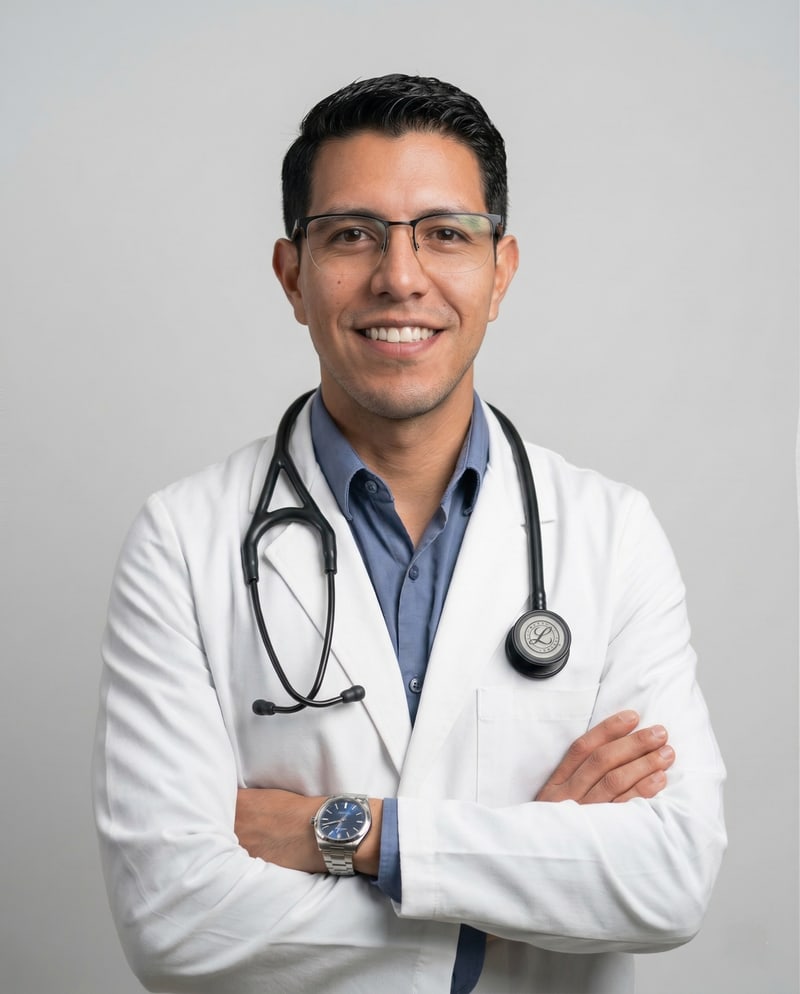
Dr. William César Lara Vázquez, pulmonologist in Mexico City
Dr. William César Lara Vázquez — Pulmonologist (Neumólogo) Trained at the INER (National Institute of Respiratory Diseases). Board-certified by the Consejo Nacional de Neumología (CNN-2102). Professional licenses verifiable with Mexico's SEP (12588976 / 15595809). Member of SMNyCT, ALAT and the American Thoracic Society. 5.0 rating · 26 Google reviews.
Full profile (in Spanish) →

Frequently asked questions

How long does it take to acclimatize to Mexico City's altitude?
Most healthy people adjust within 1–3 days. People with lung or heart conditions may take longer and should watch for warning signs.
Is Mexico City high enough to cause altitude sickness?
At ~2,240 m, classic severe altitude sickness is uncommon but mild symptoms (breathlessness, headache, poor sleep) do occur. Severe symptoms at this elevation warrant medical attention.
I have asthma — will the altitude make it worse?
It can, especially combined with pollution and cold dry air. Keep your controller inhaler going and your rescue inhaler with you. If you're flaring, get checked — we can confirm control with spirometry.
Does the pollution really affect breathing that much?
On high-ozone or high-particulate days, sensitive airways can become irritated and reactive. Healthy lungs tolerate it better; asthma and COPD lungs feel it more.
Should I see a pulmonologist or is this just normal?
If your symptoms are the mild, settling kind, give it a day or two and hydrate. If you have breathlessness at rest, chest pain, or a flare that won't respond — or you simply want reassurance — see a lung doctor.

Not sure if it's just the altitude?

An English-speaking pulmonologist can tell you in one visit — in person or by video.

Educational information reviewed by Dr. William César Lara Vázquez. It does not replace an in-person consultation, diagnosis or treatment. In a respiratory emergency in Mexico, call 911. Your personal and health data are handled under Mexico's LFPDPPP; see the privacy notice.

Información educativa revisada por el Dr. William César Lara Vázquez; no sustituye la consulta, el diagnóstico ni el tratamiento médico.